
SGE signs nuclear fuel cooperation agreements with ENUSA and GENUSA to support BWRX-300 deployment across Europe
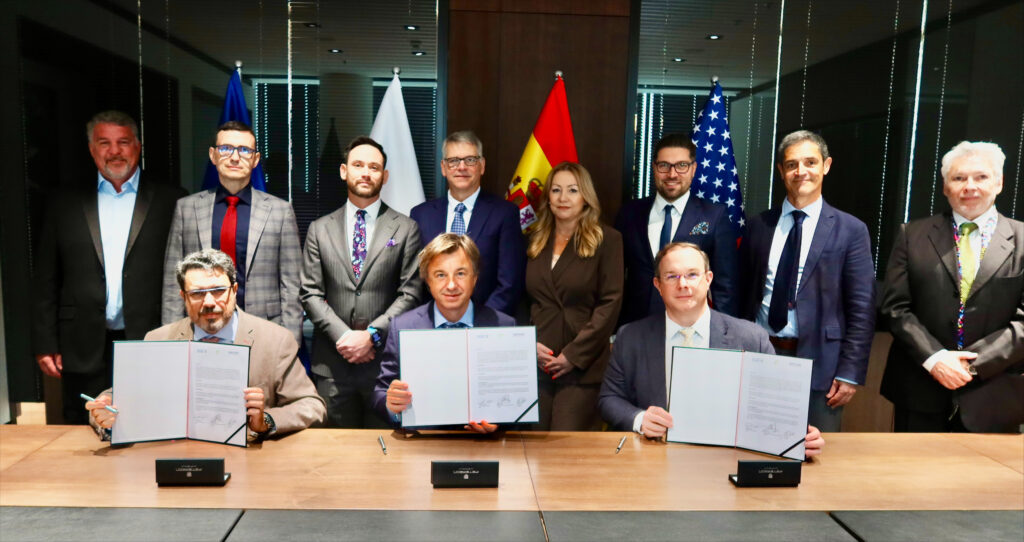
On April 14, 2026, SGE signed two nuclear fuel-related agreements with Spanish partners ENUSA Industrias Avanzadas S.A. and GNF ENUSA Nuclear Fuel S.A. (GENUSA), strengthening the company’s capabilities in nuclear fuel strategy, procurement preparation, and supply-chain development. The two contracts complement one another and support SGE’s broader model of building a platform for BWRX-300 Small Modular Reactor fleet deployment across European markets. Under the agreement with ENUSA, SGE will work on developing a roadmap toward a fuel material procurement model, including strategic, technical, and commercial cooperation regarding the procurement of low enriched uranium in the form of UF6, its components, and delivery to the manufacturing or re-conversion plant. Under the agreement with GENUSA, SGE will receive consultancy, training, and engineering support related to organizational and technical aspects of nuclear fuel supply, as well as manufactured nuclear fuel and related engineering services. Together, these agreements expand SGE’s access to expertise across key stages of the nuclear fuel value chain and help prepare the company for future SMR fuel procurement and delivery. The two agreements are an important step in expanding the European supply chain around the BWRX-300 and reinforcing the industrial foundations needed for fleet deployment. They also leverage the established operating track record of GNF2, the proven nuclear fuel design, which has been licensed and used in Europe for nearly two decades. For SGE, fuel readiness is a critical part of building BWRX-300 fleet deployment platform. Alongside regulatory progress, project development, financing, and industrial execution, the long-term availability of fuel-related services and supply arrangements will be essential to delivering repeatable nuclear projects at scale. “Across Europe, we are building the industrial and supply-chain foundations needed to deploy the BWRX-300 at scale. Our agreements with ENUSA and GENUSA add an important fuel-related dimension to that work, strengthening the broader ecosystem required for fleet deployment across multiple markets. Together, these partnerships help reinforce the practical delivery model we are advancing in Europe, built on proven technology, strong industrial cooperation, and the capabilities needed to execute projects over the long term” – said Rafał Kasprów, CEO of SGE. “This agreement marks an important milestone for ENUSA, supporting its Strategic Plan and reinforcing our commitment to fuel supply reliability and innovation. It strengthens ENUSA’s role as a trusted industrial partner and aligns with the nuclear sector’s transformation driven by SMRs and advanced reactors, contributing to a stronger international positioning.” – said Mariano Moreno, President and CEO of ENUSA “With decades of proven fuel fabrication experience, Global Nuclear Fuel is ready to support the deployment of the BWRX-300 in Europe by providing SGE with fuel engineering and technical support,” said Josh Parker, COO of GNF and CEO of GENUSA. “Through this framework agreement with SGE, and through our GENUSA partnership, we are proud to bring our broad nuclear fuel expertise to help build a strong foundation for successful BWRX-300 project execution.” These agreements mark another concrete step in SGE’s strategy to build the industrial and supply-chain foundations for BWRX-300 deployment across Europe. By expanding cooperation in nuclear fuel-related areas with ENUSA and GENUSA, SGE is reinforcing the broader ecosystem required for fleet-based delivery in Central and wider Europe, combining proven technology with the partnerships needed to support long-term project execution.
SGE, Polimex Mostostal, and ATEC Group join forces to advance SMR technology in Central and Eastern Europe
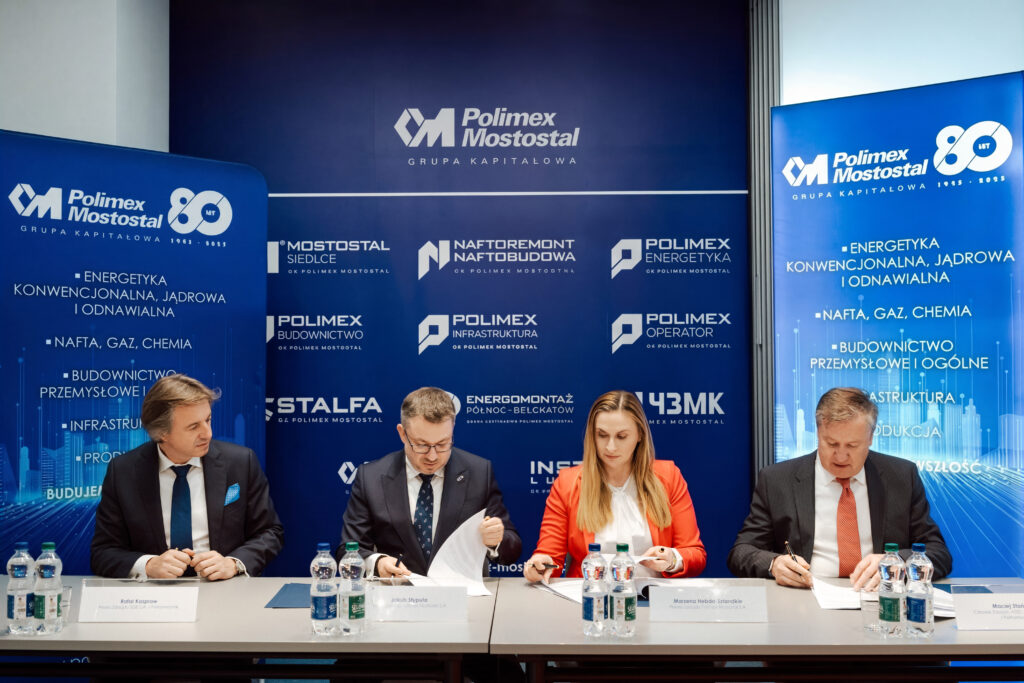
Warsaw – On April 1, 2026, SGE, Polimex Mostostal, and ATEC Group signed a Memorandum of Understanding (MoU) to cooperate on the development and deployment of small modular reactors(SMRs) in Central and Eastern Europe. The agreement focuses on implementing the world’s most advanced commercially available SMR technology – the BWRX-300, developed by GE Vernova Hitachi Nuclear Energy. SGE is currently advancing partnerships and projects based on the BWRX-300 across more than half a dozen European countries. The MoU aims to facilitate collaboration between the companies and establish working groups to jointly explore potential projects in Central and Eastern Europe. These activities will include identifying areas of synergy and assessing the companies’ competencies and organizational capabilities in the context of delivering nuclear projects. The signing of the MoU underlines the continued commitment of Polimex Mostostal, SGE, and ATEC to the development of nuclear energy and the strengthening of the supply chain for SMR projects in Poland and across the region. “We are developing a coherent SMR deployment model in Central and Eastern Europe that combines access to proven BWRX-300 technology with strong local construction and industrial capabilities. Our agreement with Polimex Mostostal and ATEC strengthens our ability to scale projects across the region and build an efficient supplier ecosystem. Our goal is to deliver repeatable, financeable nuclear projects that will support the energy transition and enhance energy security across the region” said Rafał Kasprów, CEO of SGE. “Signing the MoU with SGE and ATEC is an important step in building partnerships for the delivery of SMR projects in Central and Eastern Europe. The agreement provides a framework for defining potential areas of cooperation and identifying where we can leverage our experience in delivering large-scale industrial and energy projects. At the same time, it enables the complementary use of each party’s strengths in the development of SMR projects. We see significant potential in this technology and want to actively participate in building the supply chain for this type of investment” saidJakub Stypuła, President of the Management Board, Polimex Mostostal. “ATEC is consistently expanding its engineering capabilities in the nuclear energy sector. We are very pleased to be working with Polimex Mostostal, the largest and most important EPC contractor for energy projects in Poland, and we see strong potential in deploying the proven BWRX-300 technology in our country for two reasons. First, Poland needs nuclear energy to stabilize its power system, which must also rely on stable sources of energy and on reliable, low-emission technologies capable of keeping the grid operating under adverse conditions. Nuclear energy is today the only scalable option that can simultaneously provide resilience, decarbonization and strategic autonomy. If we want to carry out an energy transition that is not only green, but also credible and capable of delivering acceptable energy prices, nuclear energy must return from the margins to the center. Second, the SMR project represents a unique opportunity to create a truly local supply chain, of which, together with Polimex Mostostal, we want to be an important part. This is an exceptional opportunity for our companies, and one we cannot afford to miss” said Maciej Stańczuk, Member of the Management Board of ATEC Group. The cooperation between SGE, Polimex Mostostal, and ATEC aligns with the long-term strategies of all parties, focused on developing nuclear energy in Central and Eastern Europe and effectivelyleveraging existing expertise in the execution of SMR projects.
Hungary Positions Itself as a Regional Hub for SMR Deployment at High-Level Nuclear Forum in Budapest
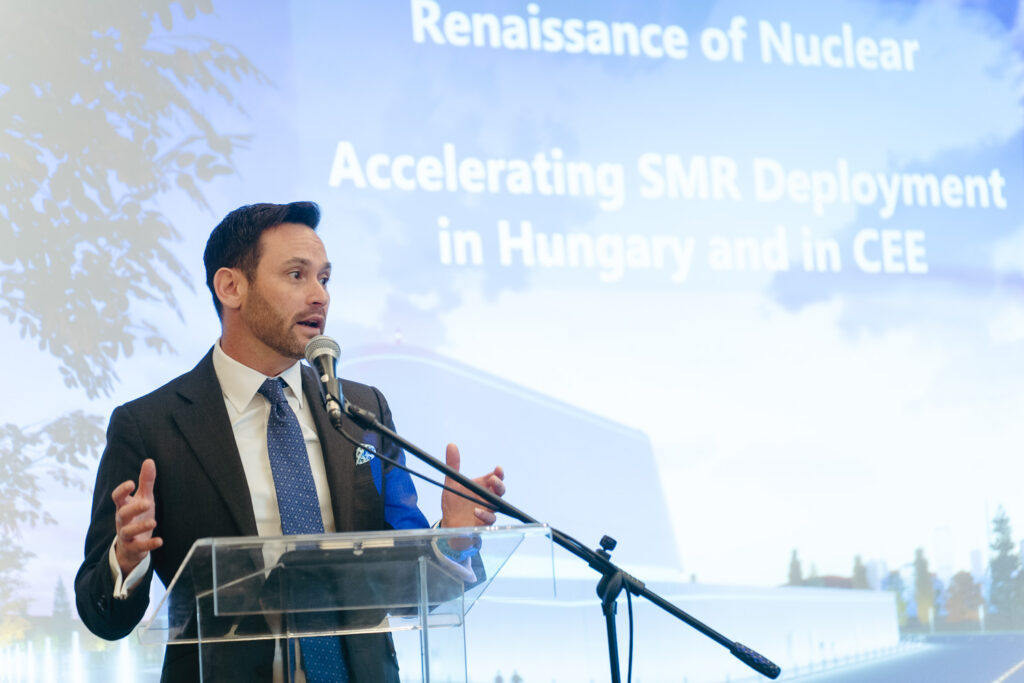
Budapest – Policymakers, regulators, and industry leaders gathered today at the “Renaissance of Nuclear – Accelerating SMR Deployment in Hungary and in Central and Eastern Europe” forum to discuss the commercial outlook of small modular reactors (SMRs), their role in ensuring energy security, and their contribution to decarbonisation in Hungary and across Central and Eastern Europe. The event highlighted Hungary’s growing role in the next wave of nuclear energy development in the region. Strategic momentum for SMR deployment The event comes at a pivotal moment for the Hungarian nuclear sector, following the recent U.S.–Hungary Civil Nuclear Intergovernmental Agreement, setting the stage for cooperation in civilian nuclear energy between the two countries, and the EU Commission’s SMR Strategy. Together, these developments are positioning Hungary as a potential regional hub for the deployment of advanced nuclear technologies. In her opening remarks, Caroline Savage, Chargé d’Affaires at the U.S. Embassy in Budapest, emphasised the importance of U.S. – Hungarian cooperation and the role of American nuclear technology in strengthening energy security in the region. “The US sees Hungary as a key partner for nuclear energy in the region, and Hungary was selected for a phase one FEED study, for pre-construction activities for the deployment of SMRs.” Regarding the global energy landscape and the role of nuclear energy in ensuring long-term energy security and system stability, Attila Aszódi, Nuclear Safety Expert and Dean of the Faculty of Natural Sciences at the Budapest University of Technology and Economics, said: “Today the key question is how supply security can be ensured and how volatile electricity prices can be tackled. We are really in a new situation where new technologies are welcome and necessary, and SMRs play an important role.” Last year SGE, European SMR development platform based in Warsaw, signed a Letter of Intent with HUNATOM, establishing a framework to assess the deployment of the BWRX-300 small modular reactor technology in Hungary. The company’s Chief Business Development Officer, Robert Rudich, underlined: “Hungary has the experience and capabilities to become a regional leader in the deployment of the BWRX-300. It brings together deep nuclear know-how and a strategic understanding of the role new nuclear will play in meeting growing energy demand, supporting industrial development, and enabling long-term economic growth. Together with GE Vernova Hitachi and our partners from HUNATOM, we believe the BWRX-300 can offer Hungary an accelerated pathway to new nuclear capacity. The economical and quick deployment of this world leading technology will support industrial expansion, create new investment opportunities, and keep pace with rising energy needs. On Hungary’s energy strategy and the role of SMRs in achieving national climate and energy policy objectives, Márk Alföldy-Boruss, Deputy State Secretary at the Ministry for Energy, stated:“Nuclear energy will be a key pillar of our energy strategy”, and “the Parliament has adopted an amendment to the Hungarian Atomic Energy Act to establish a governing framework for SMR deployment… There is a very big promise for SMRs in terms of delivering on time and on budget. We have fruitful international cooperation with all the relevant vendor countries.” From a regulatory perspective, focusing on licensing frameworks and the safe deployment of new nuclear technologies, Andrea Beatrix Kádár, President of the Hungarian Atomic Energy Authority, highlighted: “The modification made it possible to take the necessary steps for licensing, and now we have the safety code phase ahead of us, defining the concrete requirements. SMRs represent a kind of leap in nuclear technology.. Conventional nuclear plants face several challenges, and SMRs can be an answer to these challenges.” On the development of nuclear projects and the role of HUNATOM in advancing Hungary’s nuclear ambitions, Róbert Griljov, Member of the Supervisory Board of HUNATOM, stated: “Without nuclear energy, there is no chance of reaching the climate goals that the EU has set before us… HUNATOM has sufficient experience in project preparation and construction to transfer to SMR projects. This experience will provide an additional advantage and could accelerate the implementation of the technology.” Speakers agreed that SMRs have the potential to play a critical role in meeting rising electricity demand, while enhancing energy independence and supporting climate targets in the region. The event concluded with a shared commitment to continue dialogue and collaboration to turn strategic ambition into concrete projects in the coming years.
SGE, Altra and GE Vernova Hitachi sign MoU to assess the prospects of small modular reactors in Lithuania
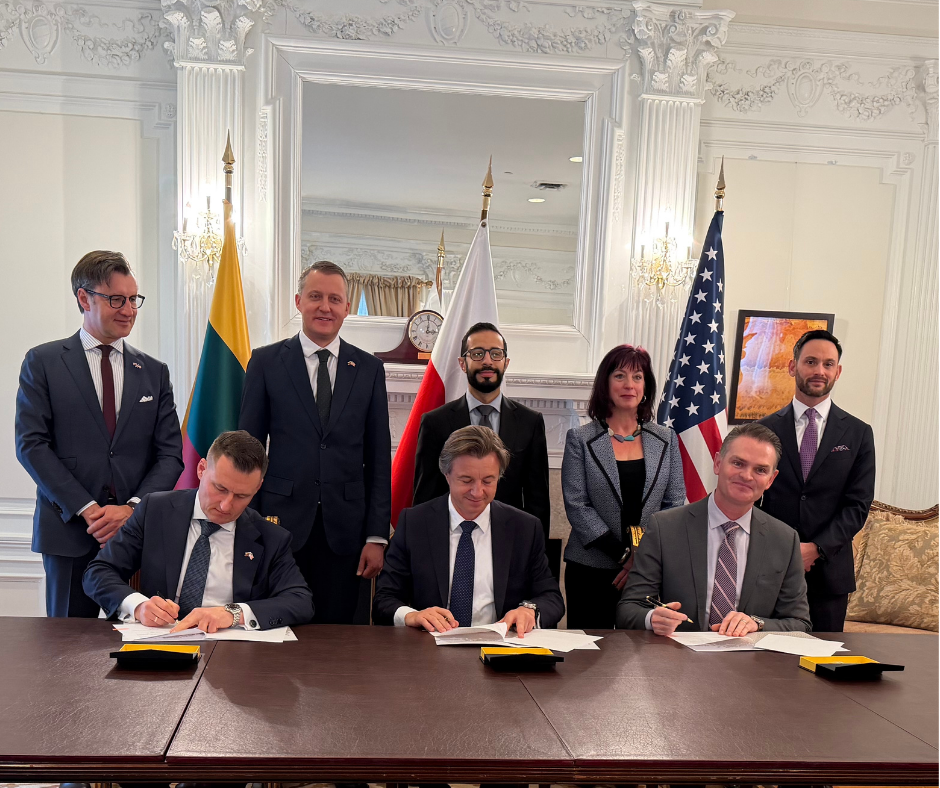
On February 25 in Washington, the Ignalina Nuclear Power Plant, operating under the name Altra, together with the U.S. company GE Vernova Hitachi Nuclear Energy (GVH) and SGE S.A. (SGE), signed a trilateral Memorandum of Understanding. The agreement provides for an assessment of opportunities to deploy advanced small modular reactor (SMR) technology – the BWRX-300 – in Lithuania. The Memorandum establishes a framework for a detailed assessment of the technical and economic feasibility of the potential implementation of this technology. The assessment will analyze technological solutions, safety and licensing requirements, as well as economic and market aspects. Lithuania’s Minister of Energy, Žygimantas Vaičiūnas, and representatives of the U.S. Department of Energy attended the signing of the Memorandum of Understanding. “This Memorandum provides an opportunity to bring together Lithuania’s nuclear energy experience, the expertise of Altra’s specialists, and the latest knowledge of U.S. partners developing advanced small modular reactor technologies to assess the applicability of next-generation small modular reactors in Lithuania. While the prospects of these technologies are still at the analysis stage, a systematic assessment will allow us to determine how such solutions could contribute to the country’s energy security, sustainability, and climate-neutral energy and economic goals. Renewable energy is and will remain Lithuania’s clear choice; however, to achieve full climate neutrality by 2050, we must also assess the potential of these technologies in Lithuania,” said Žygimantas Vaičiūnas. The CEO of Altra, Linas Baužys, noted that the Memorandum enables a consistent and responsible assessment of advanced nuclear technology potential in Lithuania. “We have nuclear energy experience and competencies that can be valuable when discussing next-generation solutions that strengthen national energy security and long-term system stability. In the context of a rapidly changing energy landscape, we must objectively assess various advanced technologies and their applicability in Lithuania. The BWRX-300 is one of the most advanced small modular reactor technologies currently under development, making it a natural option to analyze as part of future energy solutions,” said L. Baužys. BWRX-300 – an advanced SMR technology The BWRX-300 is an advanced small modular boiling water reactor being developed as a zero-carbon electricity generation solution. The technology is based on a simplified and standardised design, which is expected to shorten construction timelines, optimise costs, and ensure high safety standards. SGE, as a co-investor together with GVH, holds the exclusive rights to deploy the technology across much of Central and Eastern Europe and can provide access to the standard design, the Preliminary Safety Analysis Report (PSAR), and other documentation required for licensing and implementation. A reactor of this type is already under construction in Canada. “Lithuania’s energy transformation requires stable, zero-emission power that strengthens system security and supports long-term economic development,” said Rafał Kasprów, CEO of SGE. “The BWRX-300 Small Modular Reactor is designed to meet these needs, delivering safe, clean, reliable, affordable, and scalable nuclear energy based on decades of operating experience. By signing this Memorandum of Understanding, we are taking a structured step toward assessing the role of the BWRX-300 within Lithuania’s long-term energy framework.” The agreement was signed in the context of challenges facing the European energy sector, including the need to strengthen energy security, ensure new generation capacity to meet growing electricity demand, and deploy zero-emission solutions that enhance the stability of national energy systems. The development of small modular reactors is also aligned with the objectives of Lithuania’s National Energy Independence Strategy, which aims to make Lithuania fully energy-independent and climate-neutral by 2050. According to a 2025 Eurobarometer survey, 57% of Lithuania’s population view the prospects of nuclear energy positively over the next 20 years. Last year, the Ministry of Energy established a dedicated working group that includes representatives from Altra. The group is analyzing pathways for the application of advanced nuclear technologies and will assess their potential role within Lithuania’s energy system.
Deployment of BWRX-300 small modular reactor in Poland takes major step forward with design development
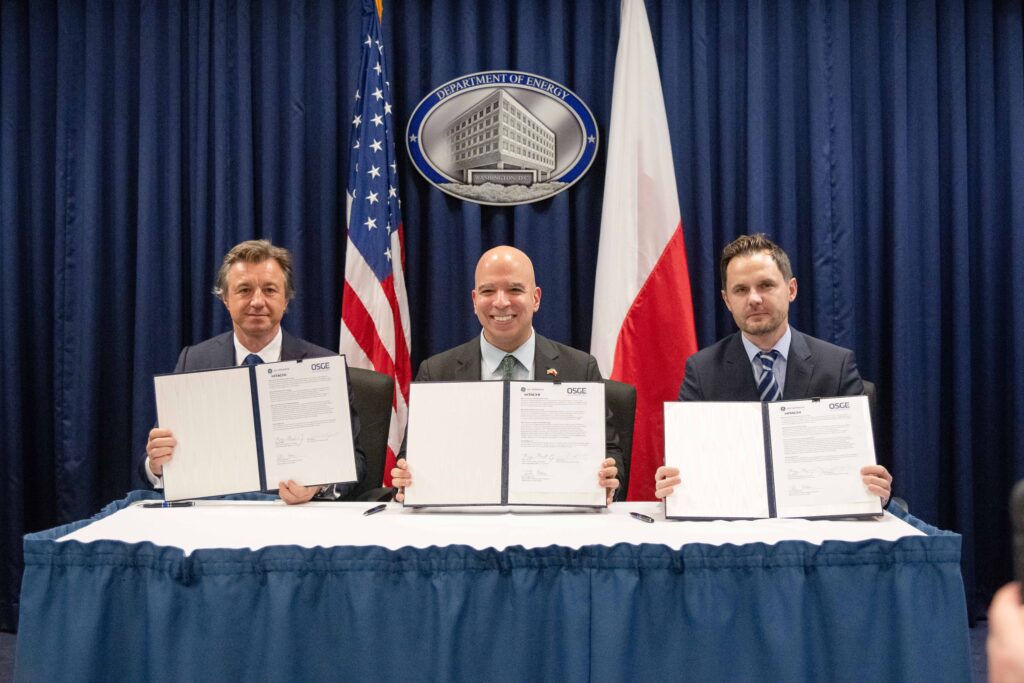
GE Vernova Hitachi Nuclear Energy (GVH) and Orlen Synthos Green Energy (OSGE), SGE’s joint venture with Orlen, have signed an agreement to advance the Polish generic design of the BWRX-300 small modular reactor (SMR). The Poland Generic Design Agreement (PGDA) was signed during a ceremony today in Washington D.C. Participants included U.S. Deputy Secretary of Energy James Danly, Poland’s Minister of Energy Miłosz Motyka, Government Plenipotentiary for Strategic Energy Infrastructure and Deputy of Minister of Energy Wojciech Wrochna, as well as representatives from GVH, OSGE and SGE. Following the contract signature, OSGE will invest in the development of a detailed BWRX-300 design that will serve as a reference design for SMR projects in Poland. “This agreement sends a strong signal that the U.S. commitment to Poland’s energy security remains steadfast,” U.S. Deputy Secretary James Danly said. “The Intergovernmental Agreement with Poland anchors our civil nuclear cooperation and provides a valuable framework to foster public-private partnerships strengthened today.” “Poland has the potential to become a European leader in Small Modular Reactor (SMR) technology,” Polish Minister of Energy Miłosz Motykasaid. “A further decisive step toward that objective has just been taken. To ensure a stable, zero-emission power system and predictable market conditions for industry, we are advancing in parallel both large-scale nuclear power plants and small modular reactor technology. SMRs provide critical baseload support for energy-intensive industries, contribute to price stability for end-users, and represent a powerful growth stimulus for the Polish nuclear supply chain. In the context of steadily increasing electricity demand, the deployment of both technologies is essential.” “This is a decision of strategic importance for Poland’s energy transition,” Polish Secretary of State at the Ministry of Energy Wojciech Wrochna said. “The generic design constitutes the cornerstone for building a standardized reactor fleet under a repeatable deployment model. Standardization translates into lower unit capital expenditures and enhanced cost competitiveness. It also creates a significant opportunity to strengthen domestic industrial capabilities and to secure meaningful participation of Polish companies in the execution of advanced nuclear technology projects.” “This investment by OSGE is a game-changer for the future of nuclear energy in Poland,” said Jason Cooper, CEO, GVH. “Advancing the generic design of the BWRX-300 to accelerate its deployment in Poland is another example of what can be achieved with shared vision and investment.” “The agreement concluded today provides for the design of a nuclear power plant in accordance with Polish regulations,” said Rafał Kasprów, CEO of OSGE and SGE. “It will be applicable to the deployment of a fleet of BWRX-300 reactors across multiple locations in Poland. This project approach, which forms a core element of OSGE’s strategy, will enable significant cost reductions through design standardization and the development of a robust supply chain. As a result, it will lower the cost of electricity for the Polish power system and, ultimately, for end consumers.” Momentum around the BWRX-300 continues to build globally. The first BWRX-300 is under construction at Ontario Power Generation’s Darlington site in Canada, with completion expected by the end of the decade, which will make it the first small modular reactor in the Western world. Key components like the reactor pressure vessel are being manufactured, and site construction is progressing according to plan. The U.S. Nuclear Regulatory Commission has accepted and is reviewing Tennessee Valley Authority’s (TVA) application to construct the first BWRX-300 in the U.S. at the utility’s Clinch River site in Oak Ridge, Tennessee. These developments, and others, support GVH’s progress and leadership in scaling and deploying SMRs commercially to customers around the globe. SGE, Altra and GE Vernova Hitachi sign MoU to assess the prospects of small modular reactors in Lithuania
SGE S.A. and Blue Bird Energy sign LOI to Partner on the Deployment of SMRs in Bulgaria

Today Blue Bird Energy AD and SGE S.A. announced the signing of a Letter of Intent (LOI) to establish a joint venture aimed at building a fleet of up to six BWRX-300 Small Modular Reactors (SMRs) in Bulgaria. The project will bring Bulgaria zero-emission, affordable, baseload electricity to power industry, support AI and other data centers, and decarbonize district heating. The BWRX-300, designed by the U.S. company GE Vernova Hitachi (GVH) is the most commercially advanced SMR on the market today. The 300-megawatt design is currently under construction in Ontario Canada and builds on GVH’s 65 years of experience developing proven nuclear technology. The new joint venture will work in Bulgaria to:• Select and prepare deployment sites.• Facilitate site and design licensing.• Manage construction and project development.• Coordinate project funding.• Ensure safe, reliable, and efficient commercial operation. Rafał Kasprow, CEO of SGE said: “Partnering with Blue Bird Energy will strengthen our European SMR development platform and help us deliver affordable energy that meets the needs of the Bulgarian people. With today’s announcement, Bulgaria joins the U.S., Canada, Poland, Hungary, and others who are in the process of deploying this world leading U.S. technology. We are confident that the Bulgarian economy will benefit from low-cost, reliable, baseload energy. Additionally, Bulgarian companies will play a significant role in the global BWRX-300 supply chain. Kalin Peshov, Chairman of the Board of Directors of Blue Bird Energy said: “We are excited to partner with energy frontrunners such as GE Vernova Hitachi (GVH) and SGE. The 65 years of nuclear experience of GVH and the proven track record of SGE bringing the BWRX-300 technology to Europe would be invaluable in supporting our mission to provide Bulgaria with secured long-term energy supply.
SGE and Samsung C&T Sign MoU for Cooperation on Small Modular Reactors Deployment
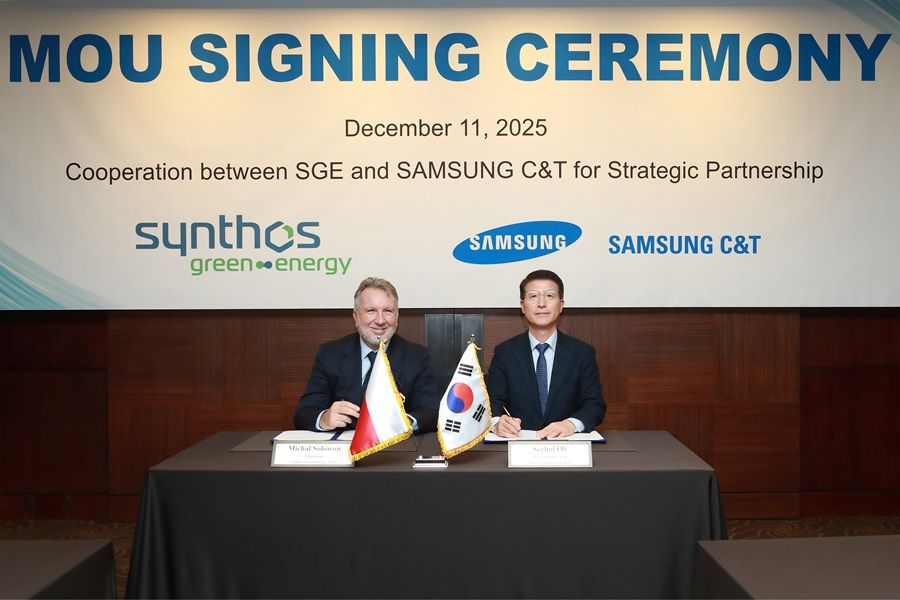
Today in Korea SGE S.A. and Samsung C&T have signed a MoU to collaborate on the deployment of SMRs, marking a significant step toward advancing clean, reliable, and affordable energy solutions. This strategic partnership combines SGE’s expertise in deploying nuclear technologies with Samsung C&T’s global engineering and construction capabilities, aiming to accelerate the rollout of SMRs as a cornerstone of sustainable energy, energy security, and carbon-neutral goals worldwide. The objective of this partnership is to outline the framework for future cooperation, focused the potential development of SMR projects utilizing GE Vernova Hitachi Nuclear Energy’s BWRX-300 technology in the CEE region. To accelerate and expand the rate of SMR deployments in Europe, Samsung is considering a strategic investment into SGE’s development platform. As part of this collaboration, the parties will share relevant information such as feasibility studies, site data, environmental assessments, and evaluation reports, while leveraging Samsung C&T’s extensive know-how in delivering energy infrastructure projects. Regular updates and executive reviews will ensure transparency and progress monitoring. Michał Sołowow, owner and founder of SGE said: “Samsung C&T is the world’s leader in energy infrastructure construction. SGE is proud to deepen and align our relationship with Samsung as a potential equity partner. Their proven capabilities in delivering nuclear projects will strengthen SGE’s SMR development platform and accelerate the deployment of safe, sustainable, and cost-effective energy across Europe.” President and CEO of Samsung C&T, Oh Sechul, affirms: “Partnering with SGE strengthens our shared vision of accelerating the deployment of innovative nuclear technologies. Together, we aim to make SMRs a cornerstone of sustainable energy systems, ensuring energy security and driving the global shift toward a carbon-neutral future. We look forward to working closely with SGE to shape the future of clean energy in Europe.”Internationally, the BWRX-300 is gaining recognition as a leading SMR solution. Two major North American utilities have selected the technology for their projects, with the first plant scheduled for completion in Ontario, Canada, in 2029. This milestone reinforces the global confidence in BWRX-300’s proven design, safety, and cost competitiveness.
ORANO to Partner with SGE and OSGE in the Deployment of a BWRX-300 Fleet in Central and Eastern Europe
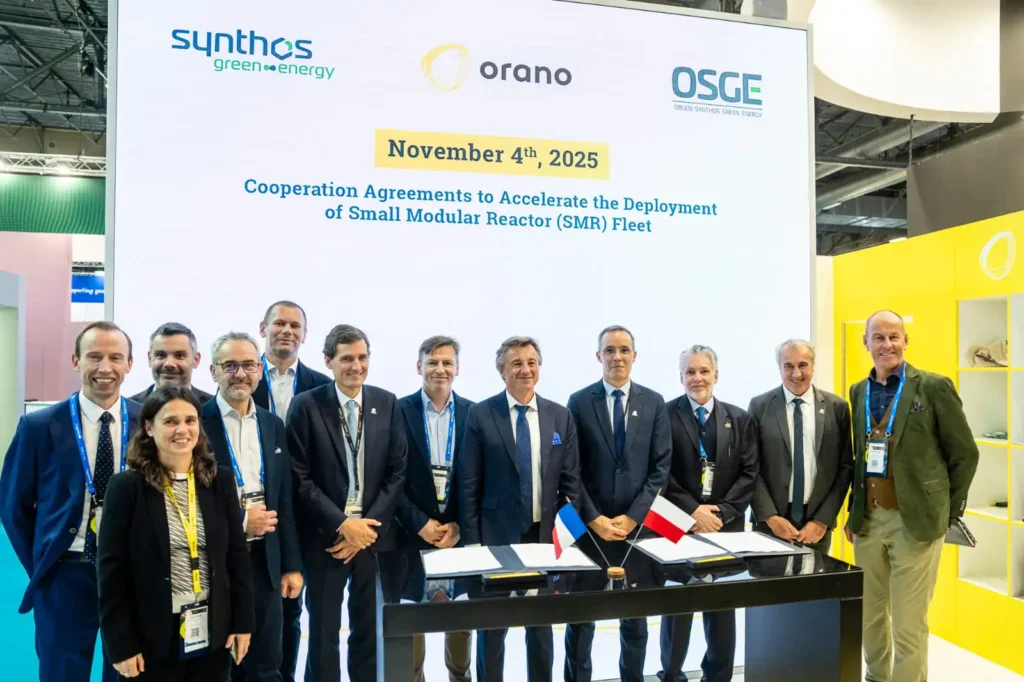
Orano Group, a recognised global leader in nuclear materials, has signed framework agreements with Synthos Green Energy (SGE) and its joint venture with ORLEN, ORLEN Synthos Green Energy (OSGE). The partnership supports small modular reactor fuel cycle programmes and contributes to the development of a strong European supply chain for advanced nuclear technologies. The agreements were signed during the World Nuclear Exhibition (WNE) in Paris by Rafał Kasprów, Chief Executive Officer of SGE and OSGE, and Nicolas Maes, Chief Executive Officer of Orano. Under the agreements, Orano will provide a broad range of services and technical support to SGE and OSGE for the deployment of small modular reactors across Central and Eastern Europe. The partnership enables Polish companies to access comprehensive fuel cycle expertise for SMR projects, representing another important step in building a robust European supply chain for the BWRX-300 technology. The agreements also mark a significant milestone in the efforts of SGE and OSGE to develop and deploy a fleet of GE Vernova Hitachi reactors in Poland and across the region. Closer cooperation between Orano, SGE and OSGE will allow the Polish partners to acquire advanced know-how covering the entire nuclear fuel cycle and strengthen the implementation of solutions required for SMR investments. Orano’s involvement — as a specialist in the nuclear fuel cycle — further reinforces SGE’s and OSGE’s strategy to build an integrated and resilient European supply chain for the BWRX-300 technology.The agreements cover services across the full nuclear fuel cycle based on Orano’s existing industrial solutions, including uranium mining, conversion and enrichment, spent fuel reprocessing, transport and storage, engineering services and decommissioning. Orano already supports SMR projects worldwide and plays an active role in the development of the BWRX-300 technology. Notably, two years ago Orano signed an agreement with Ontario Power Generation to supply nuclear fuel for the first BWRX-300 reactor currently under construction at the Darlington site in Canada. “Engaging a partner such as Orano in our projects represents another step towards building a truly ‘European BWRX-300’,” said Rafał Kasprów. “Growing interest from multiple European countries in deploying this technology provides a strong foundation for establishing a robust supply chain within the European Union. Uranium supply and enrichment by Orano, combined with nuclear fuel manufacturing in Spain, will allow the BWRX-300 fleet to become an important pillar of energy security in the Central and Eastern European region.”“Orano is firmly convinced of the essential role of nuclear energy in decarbonising electricity generation, as well as providing heat for households and industry, and welcomes the opportunity to deepen cooperation with SGE and OSGE,” said Nicolas Maes. “Our partnership aims to leverage Orano’s proven solutions to support both SGE and OSGE projects.”
SGE Joins U.S.-Led SPRING Initiative to Advance SMR Deployment in Central and Eastern Europe
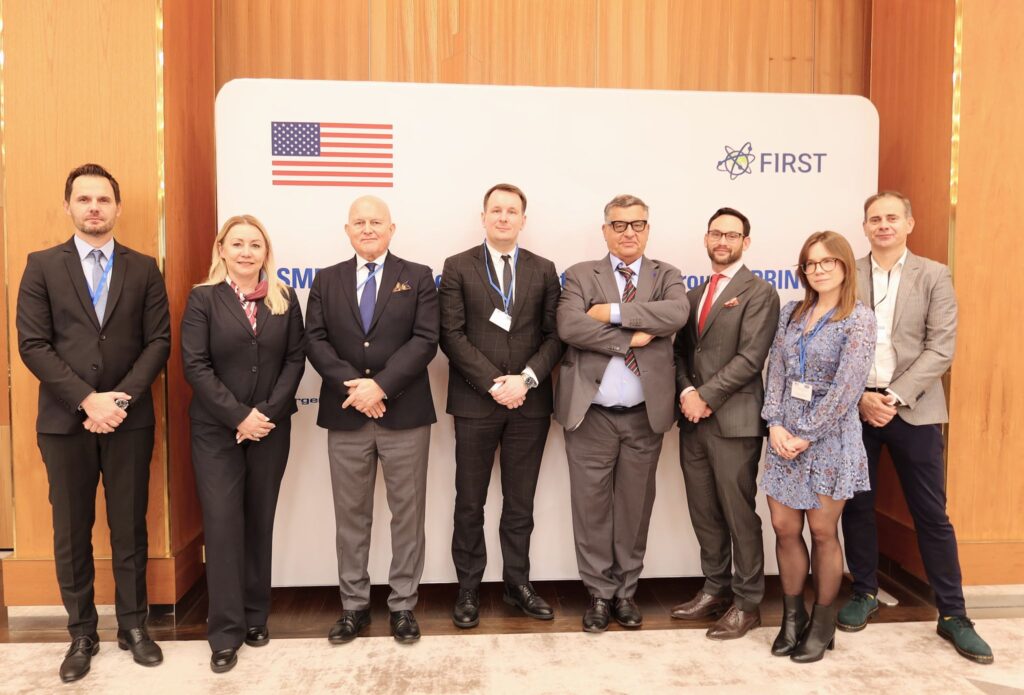
SGE S.A. was proud to take part in the launch of the U.S. Department of State’s SMR Pan-Regional Interest Nuclear Group (SPRING) initiative in Poland — a U.S.-led program designed to accelerate fleet-scale deployment of the GE Vernova Hitachi BWRX-300 small modular reactor across Central and Eastern Europe.The initiative brings together governments, regulators, utilities and industry leaders to advance the key foundations of SMR deployment, including regulatory frameworks, supply chain development, financing structures and cross-border cooperation. In her official remarks, Ann Ganzer, Principal Deputy Assistant Secretary for Arms Control and Nonproliferation, highlighted the importance of responsible and secure deployment: “Harnessing the longstanding expertise of the U.S. nuclear sector, FIRST empowers international partners to make responsible SMR deployment decisions in a manner that prioritizes the highest nuclear safety, security, and nonproliferation standards.” The meeting was attended by senior representatives of the U.S. Department of State and the U.S. Department of Energy, including Mike Goff, Principal Deputy Assistant Secretary at the Office of Nuclear Energy, as well as industry leaders from GE Vernova Hitachi Nuclear Energy. SGE S.A. was represented by its Chief Business Development Officer, Robert Rudich. SGE S.A. was pleased to endorse this important initiative together with its partner ORLEN Synthos Green Energy, alongside representatives of governments, regulators and companies from Armenia, Bulgaria, Croatia, Czechia, Estonia, Hungary, Latvia, Lithuania, Poland, Romania, Serbia, Slovakia and Slovenia.The SPRING initiative marks an important step toward building a coordinated regional platform for SMR deployment and reinforces international cooperation in support of safe, secure and scalable nuclear energy development across Central and Eastern Europe.
SGE Participates in the World Nuclear Association 50th Anniversary Symposium

SGE S.A. was pleased to take part in the World Nuclear Association’s 50th anniversary symposium, a landmark event bringing together global leaders from government, industry and finance to discuss the future of nuclear energy and its role in energy security, industrial development and decarbonisation. During the Energy Users Summit, Rafał Kasprów, Chief Executive Officer of both SGE S.A. and ORLEN Synthos Green Energy, spoke on the strategic nexus between energy security, defence and industry, highlighting the critical role of baseload power in ensuring the stability and resilience of national energy systems.At the Finance Summit, SGE’s Chief Business Development Officer, Robert Rudich, addressed the financial case for small modular reactors in Europe, focusing on investment frameworks and the role of private capital in accelerating new nuclear build projects across the region. SGE extends its congratulations and sincere thanks to the World Nuclear Association team for organizing an outstanding symposium that reinforced the importance of international cooperation in advancing safe, reliable and investable nuclear energy worldwide.